Conservation and Restoration of Frames

Frames serve both to protect as well as to visually enhance paintings on canvas or panel. For all their protective qualities, however, frames themselves are rather vulnerable to damage as a result of handling, environmental factors and biological contamination.
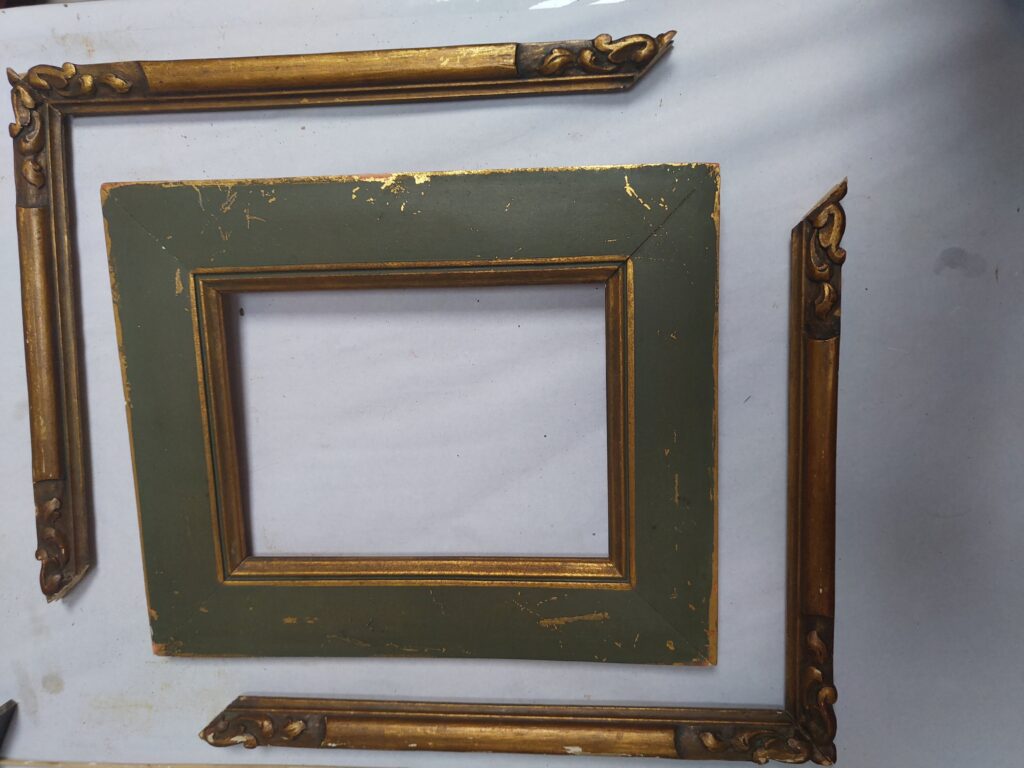
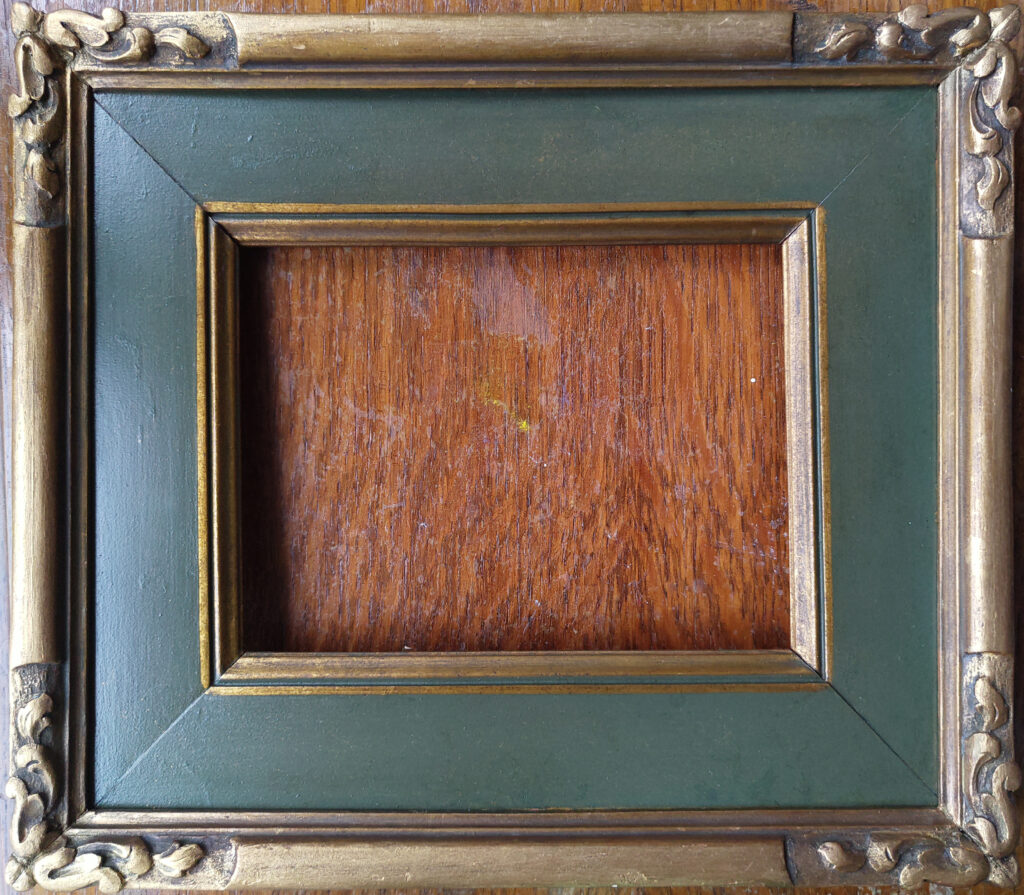
In addition to being prone to damage, throughout the ages collectors have placed relatively little value on the frames, quite often replacing older frames with new ones in line with the latest fashions. Replaced or not, it is quite common for frames to have been over-gilded and over-painted which tends to negatively impact the sophistication of the original details. In case of ornamented frames, style elements are quite often missing or have partially chipped away.
Technical examination of a frame’s execution and materials helps to assess its age and provenance, as well as to better understand the changes that have taken place. Restoration of the frame should always take into account the age and the theme of the painting, especially if the frame is not original. Common restoration treatments for frames involve:
- Surface cleaning and removal of overpaintings on gilding
- Consolidation of plaster and/or gilding
- Re-enforcement of frame construction
- Removal of loose nails
- Filling and retouching with mica and pigments
- Making silicon molds to reconstruct the lost ornaments
and sometimes even:
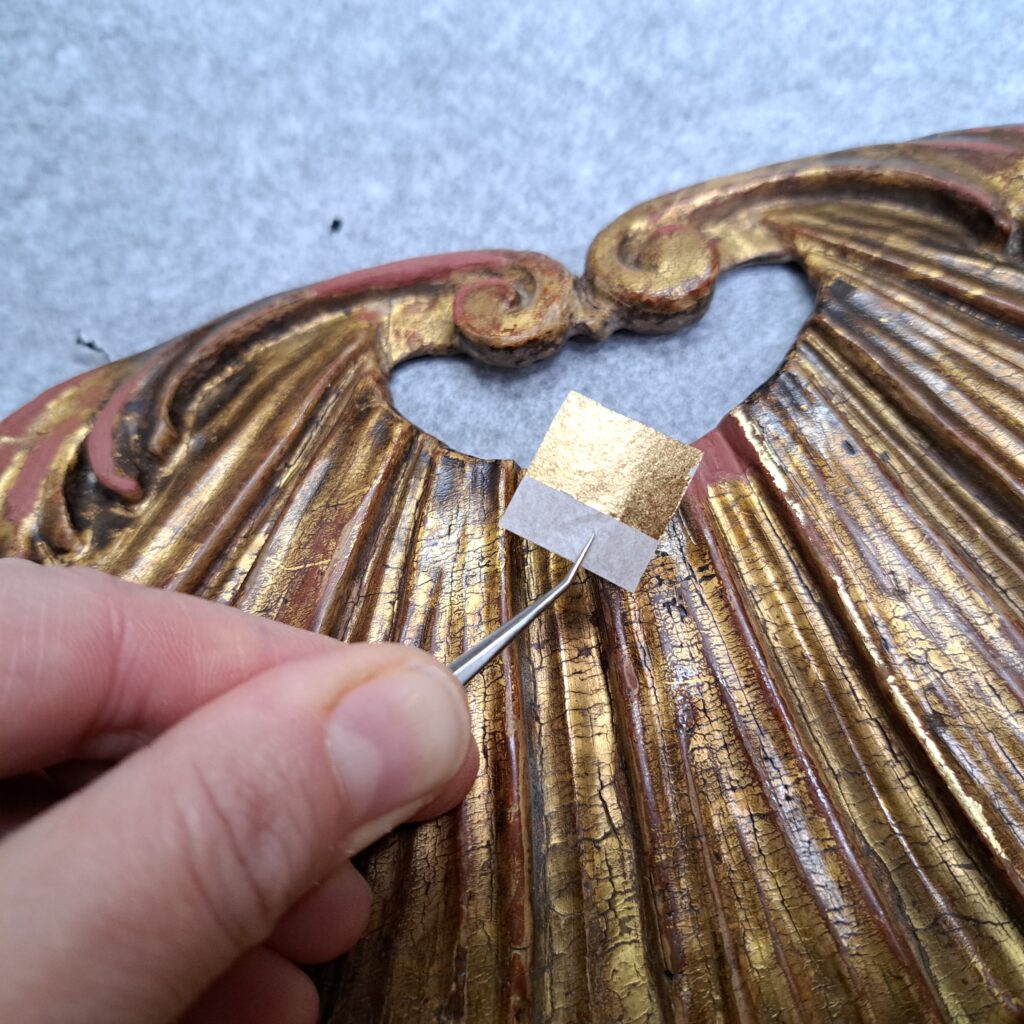
- Water gilding using 23 carat gold leaf
Art consists of limitation. The most beautiful part of every picture is the frame.
Gilbert K. Chesteron
In some cases it is advised to completely replace the existing frame, especially when the frame is relatively new with little historical and material value. Sofrino works together with local framers to ensure a good stylistic match with durable structural qualities.

